Juvenile humpback was spotted near Bundjalung national park in what experts say is a rare but not unprecedented event
Get our breaking news email, free app or daily news podcast
While the case of a whale found 11km upstream in a New South Wales river this weekend was unusual, it was not unprecedented, experts say.
The juvenile humpback, which swam into the Clarence River on the state’s mid-north coast and later died, was towed out to sea on Sunday, according to NSW authorities.
Members of the public first reported a sick whale swimming into the river near Bundjalung national park on Saturday afternoon. “The whale subsequently swam on to a sandbar and became grounded in shallow water, and within 30 minutes observers indicated the whale had died,” a spokesperson for NSW National Parks and Wildlife Service said.
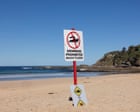
Increased shark activity in the surrounding area had been reported, with beachgoers advised to avoid surfing, swimming, or diving at surrounding beaches, SharkSmart NSW said in a post to social media.
Whale scientist Dr Vanessa Pirotta said while the circumstances were rare, whales were known to explore rivers and estuaries from “time to time”. This could be the result of “misadventure” or “curiosity”, or due to ill health, as appeared likely for the animal in Clarence River, which looked “extremely unwell”.
Sign up for the Breaking News Australia emailMost whales wouldn’t be aiming for the river at this time of year, she said. “Right now the main bulk of the east and the west coast populations are heading south to Antarctica. They’re on their way back for their summertime extended Christmas dinner where they’ll be going to Antarctica to feed on krill.”
Earlier this year, in April, another whale became stranded on a sandbar in Wallis Lake on the NSW coast after swimming under the Forster Tuncurry Bridge.
Last year, two humpbacks swam under Melbourne’s West Gate Bridge and into the mouth of the Yarra River.
In 2020, three humpback whales entered the East Alligator River in Kakadu national park, with one travelling 30km upstream. All three eventually made their way back out to sea.
While these air-breathing mammals could survive in freshwater environments, it probably wasn’t good for their skin, Pirotta said. Anyone spotting a whale in an unusual location such as a river, or an animal that appeared to be in distress, should alert environmental authorities, she said.
skip past newsletter promotionFree newsletter |When neededSign up to Breaking News Australia
Get the most important news as it breaks
after newsletter promotion
Whales on Australia’s ‘humpback highway’ are at growing risk of injury from boat and propellor strikesRead moreA spokesperson for Orrca, the cetacean rescue organisation, said while it was unusual for a whale to travel several kilometres into a river system, it was not unprecedented. “Humpback whales regularly travel close to the NSW coastline and may enter bays, harbours and estuarine environments temporarily during their annual migration.”
Based on the large number of barnacles and other organisms on its skin, the juvenile in the Clarence River could have been experiencing a chronic illness, injury or another underlying health issue, the spokesperson said. “However, the cause of death cannot be determined from imagery alone,” they noted.
“Each year, approximately 50,000 humpback whales migrate along Australia’s east coast. Across a population of this size, it is unfortunately not uncommon for a small proportion of animals to be observed in poor body condition or displaying other signs of illness, injury or compromised health.”
The unusual event occurred less than a week after a humpback whale carcass washed ashore at Perth city beach, attracting multiple sharks before the body was removed on Thursday.
“As with any deceased marine animal, people should avoid entering the water close to the location of the whale carcass, including surrounding beaches, and follow any local warnings or closures that may be in place. Whale carcasses can attract scavengers, including sharks,” the Orrca spokesperson said.
Explore more on these topics- Australia news
- Australian climate and environmental reporting
- Whales
- Cetaceans
- Marine life
- New South Wales
- Wildlife
- news