Cabinet colleagues have previously called for an increase but chancellor feels it might ultimately cost the Treasury
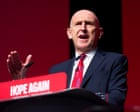
Jessica Elgot Deputy political editorTue 20 Oct 2026 03.27 EDTLast modified on Tue 20 Oct 2026 04.11 EDTSharePrefer the Guardian on GoogleJohn Healey will not raise capital gains tax in next week’s budget, despite previous calls to do so from cabinet colleagues including Louise Haigh and Wes Streeting.
The chancellor has decided that any increase might ultimately cost the Treasury if wealthy individuals defer the sale of assets or move them out of the country, according to Treasury sources.
The tax is imposed on profits that individuals make when they sell assets that have increased in value, such as second homes or shares. The decision not to increase CGT, first reported by the FT and the Times, will mean the chancellor’s main revenue raiser is likely to be raising tax on banks’ profits.
In a speech last month, Healey said he wanted to prioritise wealth creation without it being constantly subject to penalties.
“I recognise that the cost of business – that’s energy bills, regulation burdens, planning constraints, labour costs – have grown since Covid. And I want to draw the line,” he said. “And whether it is the cost of business or the cost of living, the only way we deal with these in the long term is growth.
“I want to see this country as a country of wealth creation. I want our government decisions and policies to raise the levels of confidence and investment and profit in British business.”
In the race to replace Keir Starmer as prime minister, several senior Labour figures had suggested a route to equalising capital gains with income tax rates, including Haigh, now the now first secretary of state.
Streeting, now the defence secretary, who considered running against Burnham to replace Starmer, had also suggested a rise, calling it a “wealth tax that works”. He said the current system meant a growing gap between earned income and unearned income.
Instead, Healey is poised to tax Britain’s banks in his budget on 28 October, amid strong earnings on the back of rising interest rates, with the UK’s four largest lenders – HSBC, NatWest, Barclays and Lloyds Banking Group – alone having generated £200bn in pre-tax profits over the past five years.
Healey is reported to be willing to accept a reduction in the fiscal headroom left by his predecessor, Rachel Reeves. The UK’s cost of borrowing has risen sharply in recent weeks, alongside that of other big economies, which analysts have suggested could as much as halve the £24bn cushion Reeves had built up against Labour’s fiscal rules at the time of the last spring forecast.
The Conservative leader, Kemi Badenoch, will give a speech on Tuesday saying the government should cut its spending plans instead of raising taxes, including cuts to welfare and the civil service.
“We have to stop borrowing so much. But instead of doing that, Labour are taking out loans to pay the interest on our loans,” she will say. “Any family or business in that position would know they were sinking, that every attempt to borrow their way out was pulling them deeper. The right way is to bring spending down now.
“Cuts are never easy, but they are much easier if what you are doing is based on fairness. Fairness to taxpayers, fairness to future generations and fairness to those who really need support. Under our golden economic rule, half of the savings we have made would go to reducing the deficit.”
Explore more on these topicsShareReuse this contentJohn Healey poised to raise taxes on banks in budget
5d agoJohn Healey vows to give ‘breathing space’ to consumers and businesses in first budget
5d agoJohn Healey ‘targets tax crackdown on online marketplaces’ in first budget
6d agoUK high street bosses urge chancellor to cut cost of employing young people
7d agoIFS: budget will be ‘work of fiction’ without clear plan to cover UK’s £35bn spending pressures
12 Oct 2026Ministers preparing to slash heat pump subsidies to fund defence spending
12 Oct 2026‘If voters aren’t better off by the next election, we’re screwed’: Labour insiders voice fears over budget
10 Oct 2026Tell us your financial hopes and concerns ahead of the budget
9 Oct 2026Bank governor urges John Healey to use budget to allay market fears amid bond turmoil
8 Oct 2026Labour figures uneasy about Healey’s ‘underpowered’ approach to budget
1 Oct 2026