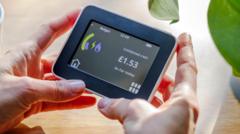
During a heatwave the last thing you'll be thinking about is your heating and energy bill.
But energy prices will rise in July and analysts predict bills – driven by the increase in the cost of gas – are likely to remain elevated into the winter.
Experts say action now can save money when the pinch comes, even though people may feel they have already made every saving possible.
Here are some options.
Consider fixed deal – but be aware of the risk should prices fall
Some 22 million people - about 40% of billpayers - have the certainty of fixed tariffs.
In these deals, the cost per unit does not change for the term of the tariff, which is usually a year. The total bill still depends on the amount of energy used.
Options on the market are cheaper than the price cap level. However, if international events do change and prices fall sharply, savings might not be so clear-cut.
Look at how you pay – monthly is cheaper than quarterly
Receiving your bill every quarter, rather paying a monthly direct debit, is typically about £140 a year more expensive, says regulator Ofgem.
There are still about seven million of these so-called standard credit accounts. Although some people like the quarterly payment of bills, it is a more expensive option.
Getty ImagesTake a fresh look at habits and energy saving measures
The record-breaking May heatwave is not necessarily the time you think about getting your home winter-ready.
But experts say it is the perfect time to check if you can do more to block draughts, change cooking habits, bleed radiators and generally be more energy efficient.
Short shower times can also make a difference, albeit small. There are egg timers and even four-minute songs that can keep time for you.
Check whether you are eligible for grants
Millions of pounds goes unclaimed in the benefits system. Pension credit, in particular, is underclaimed and yet it can help older people with financial support as a gateway to other benefits.
Grants for energy efficiency improvements may also available through schemes organised by local councils.
Eligibility criteria, such as income and location, varies. Charities such as Citizens Advice can help people see if they can get assistance.
What will the energy cap changes mean for my bills?
Tackle existing energy debt; suppliers may offer relief
Collectively people owe £4.5bn in unpaid bills and charges.
Suppliers say they may write off some of that debt, provide payment plans, or help with the cost of white goods - but only if you tell them you're in trouble.
You can check what your supplier offers through various support measures.
Energy industryUK economyMoneyOfgemRelatedWhat will the energy cap changes mean for my bills?
Energy bills to rise for millions as impact of Iran war hits
Wind farm bid next to Galloway reservoir submitted
More from the BBC7 hrs ago'I've given up eating hot meals to pay energy bills to keep my son alive'
7 hrs ago1 day ago'I live in survival mode': The rise of the multi-job workforce
More people are taking second jobs as rising costs and insecure work reshape how we earn a living.
1 day ago4 days ago'Six eggs used to be £1' - why everyday essentials cost so much more now
4 days ago5 days agoBorrowing in April hit highest level since Covid
Borrowing was higher than expected last month and retail sales fell as fuel prices surged.
5 days ago5 days agoHow much money does the UK government borrow, and why does it matter?
The UK government borrows to fund day-to-day spending as well as long-term infrastructure projects.
5 days ago