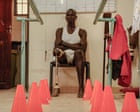
After decades of sporadic conflict in South Sudan, many civilians have been left with life-changing injuries from gunshots and landmines. The country also has high rates of disability resulting from disease and snake bites.
Kieran Seager of the International Committee of the Red Cross followed patients and staff at a centre in the country’s capital, Juba, documenting the process of physical rehabilitation
Puok Gatjor Puk is receiving physiotherapy support at the centre. Sessions can continue for weeks or even months as patients relearn how to move independently. All photographs: Kieran Seager/ICRC Photograph: Kieran Seager/ICRCFri 28 Aug 2026 04.00 EDTLast modified on Fri 28 Aug 2026 10.40 EDTShareAndreana Denya lost her leg after stepping on a landmine in 1988. It was almost a decade before she received her first prosthetic limb. She now works in the kitchens of the same clinic that helped herShareSusan Ide is a former social worker who works in the kitchen alongside Andreana Denya. Born in rural South Sudan, she contracted polio as a baby and has used leg braces since childhoodShareIde and Denya are former patients of Juba’s rehabilitation centre. The mobility clinic helped restore to them made it possible for the women to workSharePatients wait outside the physiotherapy room at the rehabilitation centre in JubaShareThe men’s inpatient dormitory at the rehabilitation centre. Because of the scarcity of health services in South Sudan, some patients travel long distances and stay on site while receiving treatmentSharePatients rest in the central courtyard of the rehabilitation centreShareJohn Biliu is a farmer from Leer county in northern South Sudan. He was shot in the leg during fighting in the area in the late 1980s. Since then, he has received multiple prosthetic legs, each one worn down through use before being replaced. After the recent death of his wife, Biliu is now the sole provider for his five children, the youngest of whom is three years oldShareAn inpatient since June, Puok Gatjor Puk is now receiving physiotherapy support at the centre. Sessions can continue for weeks or even months as patients relearn how to move independentlySharePuok Gatjor Puk was shot during a raid on his cattle herd near his home in Leer county. He was evacuated to Juba military hospital, but the surgeons were unable to save his legShareIdda Perry Stanley with his physiotherapist. He has been coming to the centre for more than a month after losing his legShareThe centre houses a workshop where technicians build prosthetic limbs, leg braces, crutches and wheelchairsShareIn the first six months of 2026, technicians in the centre’s workshop produced 253 prosthetic devices, 129 orthoses and 1,083 walking aidsShareA workbench in the workshop. On a pamphlet about prosthetic knee joints, one technician has written: ‘Our lives begin to end the day we become silent about things that matter to us’ShareOld prosthetic limbs and offcuts from the manufacturing process are repurposed into crutches for new patients. The rehabilitation centre is supported by the International Committee of the Red CrossShareExplore more on these topics