Utah residents have teamed up with a progressive non-profit organization to sue over an under-development AI datacenter backed by celebrity investor Kevin O’Leary, claiming the planned Stratos project facility “irrevocably” cuts off citizens’ rights by not allowing sufficient public input.
Filed by the Alliance for a Better Utah and five unnamed residents of the Box Elder county area where the center is being developed, the lawsuit comes as Shark Tank co-host O’Leary agreed to scale back the physical footprint for the project.
The alliance and residents are contesting the constitutionality of the state’s military installation development authority (Mida) – a special entity that oversees the datacenter’s proposal – and its approval of the project, NBC News reported.
‘Irresponsible’: backlash as Utah approves datacenter twice the size of ManhattanRead more“Under the Stratos plan, it would hold permanent, irrevocable control over public health, safety, taxation and land use across tens of thousands of acres of Box Elder county, with no voter recourse,” plaintiffs’ attorney David Irvine said in a statement.
Officials for the state and Mida said they are reviewing the lawsuit.
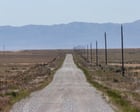
Initial proposals for the datacenter envisioned a 40,000-acre (16,200-hectare) campus in Utah’s Hansel valley, but O’Leary on Wednesday told NBC that he is “going to have to” slim down the project.
The Utah state senate president, Stuart Adams, later said O’Leary had agreed to a reduction in size, a commitment of water to the Great Salt Lake and “thousands of acres to be set aside for open space, wildlife protections and continued agricultural use”.
Adams added that the Stratos project is in its “earliest stages” and a full permitting and environmental review process will be carried out.
O’Leary posted on X that he is “not walking away from the Utah project, but I also understand why [state senate] president Adams sent the letter demanding major changes”.
“A 75% reduction simply isn’t realistic for a project of this scale, but that doesn’t mean the concerns should be ignored,” the post added.
O’Leary nonetheless accused opponents of the project of mounting “coordinated misinformation campaigns” and said public debate “has been fueled by outdated information”.
He added that “claims that we’ll drain the Great Salt Lake, consume Utah’s power, or create massive environmental damage simply don’t reflect the reality of what we’re building”. He also pointed to the creation of construction jobs and other high-paying tech jobs, and billions of dollars of investment.
O’Leary said he was also investigating the funding of AI datacenter opposition groups and had turned over evidence to federal authorities that he said appear to show links between the groups and “Chinese backed interests”.
The accusation comes as four congressional Republicans, including Kentucky’s Brett Guthrie, chair of the House committee on energy and commerce, called on the FBI for information about “foreign influence campaigns working to slow American AI progress”.
Guthrie said in a statement: “Datacenters are the foundational computing structure that makes modern life possible.”