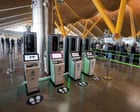
Travellers to the EU could face renewed border queues as flexibility measures for the bloc’s entry-exit system officially come to an end – although numerous sources have indicated that some member states will not enforce biometric checks.
Airlines last week called on the European Commission to extend discretionary powers to pause EES controls when necessary until the end of 2026, with the deadline for “flexibility” passing on 6 September.
Peak holiday season has not resulted in a repeat of the long queues seen at some European airports in early summer, which at worst led to numerous passengers missing flights. But the aviation and travel industry believes further chaos was averted only through relaxation of the rules demanding biometric information, including fingerprinting of non-EU-citizens.
While Brussels has not extended the discretionary period, it appears that cross-Channel travellers to France will not face changes next week because of technical problems with the EES software commissioned by French authorities.
The fingerprinting kiosks expensively procured by Eurotunnel, Port of Dover and Eurostar at London St Pancras are still not operational. Dover said it was not expecting any changes next week, with car drivers yet to be subject to EES checks.
A Eurotunnel spokesperson said it was “awaiting confirmation from the French authorities on the timing of this next phase” but was “ready to implement full biometric checks as soon as formal clearance is granted”.
A Eurostar spokesperson said: “The phased rollout of EES continues. EES enrolments will continue to be completed manually by border officers.”
A senior airline source said that while they would be monitoring closely, they did not expect to see full enforcement at the busiest European airports. Border officials in main foreign tourist destinations, most notably Greece, appeared to have unofficially exempted UK passengers from EES checks to avoid queues. The source said they expected the practice to continue.
Luke Petherbridge, the director of public affairs at the UK travel industry trade body Abta, said it was continuing to push the European Commission to allow discretionary suspension of border checks beyond September, “recognising that there is still some way to go until EES is fully and consistently operational across all participating countries”.
The airlines trade body Iata has called for an official extension, saying last week that EES-related delays had resulted in people missing flights and connections.
skip past newsletter promotionFree newsletter | Every weekdaySign up to Business Today
Get set for the working day – we'll point you to all the business news and analysis you need every morning
after newsletter promotion
Thomas Reynaert, the head of external affairs at Iata, said: “These are real impacts being felt by passengers. It gives Europe a bad reputation. When systems fail, passengers lose the trust in the system and when people are late, airlines pay a high cost.”
The European Commission declined to provide further comment. A spokesperson said early last week: “We are in close and constructive contact with those few member states where some adjustments are needed at certain border crossing points.
“And during an additional period of operational adjustment that is needed at these few operational border crossing points, the commission stands ready to provide additional support to these member states.”