Oxfam describes ‘exceptionally challenging’ trading after retail profit reportedly fell 23% amid rise of platforms such as Vinted
Harry CockburnSat 31 Oct 2026 11.10 EDTFirst published on Sat 31 Oct 2026 10.43 EDTSharePrefer the Guardian on GoogleProfits at some of the UK’s best-known charity shops have plummeted as they face a number of pressures, including from online secondhand clothes platforms, prompting claims that a key part of the sector’s fundraising model could be under threat.
According to unpublished accounts seen by the Financial Times, Oxfam’s retail profit fell 23% to £4.9m in the last financial year, compared with £6.4m in the previous year.
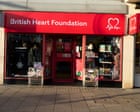
The British Heart Foundation (BHF), which has the biggest high street presence of any charity in the country, has announced plans to close 150 stores after they made a loss in the last financial year. Cancer Research UK and Scope have also closed, or are closing, some of their shops.
But these losses come despite UK spending on secondhand clothing having quadrupled over the past decade, rising to £8.8bn a year, according to GlobalData.
The shift has come alongside the rise of websites such as Vinted and Depop, suggesting that people who might previously have donated clothes to charity shops are instead selling them directly to other consumers and profiting themselves.
The British Heart Foundation, which has the biggest high street presence of any charity in the country, has announced plans to close 150 stores. Photograph: Christopher Thomond/The GuardianAlongside this change, Chinese companies are selling more clothes in developing countries, particularly in Africa, which has long been a major market for unwanted secondhand clothing.
“It has been challenging … and it is going to be painful for the sector,” Lorna Fallon, the head of Oxfam’s retail operation, told the Financial Times.
Oxfam’s latest filings reveal that for every £100 people spend in its shops, just £6 now goes towards the charity’s work on alleviating global poverty. As recently as 2022, the figure was £22, the FT reports. However, the organisation’s focus on books and music means it has no plans to reduce its number of shops.
In June, BHF carried out a major review of its retail arm, which employs almost 3,700 staff, after profits from its shops plunged from £18.8m in 2024 to £3.6m in the year to 31 March 2025.
The charity cited “an exceptionally challenging trading environment”, and said it was aiming to close 90 stores by the end of March 2027 and another 60 by the following March.
The rapid change in fortunes for charity shops also highlights their limitations in the face of greater competition. Whereas Vinted and Depop directly connect sellers with buyers, charity shops remain at the mercy of high street and warehouse rents and other associated costs and inefficiencies, including collecting, sorting, pricing and storing clothes.
Another issue hampering high street charity shops is that the clothes being donated are increasingly substandard. Speaking to the Guardian earlier this month, Tansy Hoskins, the author of Charity Shop World, described the sector as dealing with “avalanches” of poor-quality clothes across the country, as people use charity shops as convenient dumping grounds for unwanted purchases.
“Quality is the big change marker – it’s gone through the floor. You’re just fighting against the waste,” Hoskins said.
Robin Osterley, the chief executive of the Charity Retail Association, said: “Fast fashion has had an impact on donations quality, there’s no question about that.”
Oxfam’s focus on books and music means it has no plans to reduce its number of shops. Photograph: Vuk Valcic/Zuma Press Wire/ShutterstockBut he added: “We don’t see Vinted or any of the other online platforms as an issue at all. It might be having a little bit of an effect – where people have one bag for charity shop donations and one for Vinted – but we believe these effects are significantly mitigated by two things.
“The first is that Vinted and other platforms are having a very positive effect on people’s attitudes towards secondhand shopping, and creating an environment where it’s much more normalised. A rising tide floats all ships.
“The second factor is that there are a lot of people who buy things from charity shops to sell on the online platforms. Our members get a significant income from them.”
Bafta trustees may have broken charity law by accepting free guest ticketsRead moreOsterley instead suggested the November 2024 budget had had a much larger impact on bricks and mortar charity shops, in which national insurance increases and the lowering of the national insurance threshold – affecting more part-time staff – has had a “really significant” effect on the costs charity shops face, as well as inflationary pressures across the economy.
Richard Hawkes, Oxfam GB’s chief executive, said: “Whilst there is no getting away from the fact that the charity retail sector has been impacted by the cost-of-living crisis, like the rest of the high street, there is still much to be hopeful and positive about for the future.
“The growth of secondhand presents real opportunities for the whole sector, but it also means we need to think differently about the traditional charity retail model.
He added: “Our shops also offer much more than just an income. They give us a presence in communities where we might not otherwise be, while providing opportunities to engage with more than 20,000 volunteers. This wider role remains a vital part of what makes charity retail so valuable.”
Explore more on these topicsShareReuse this contentNaomi Campbell wins legal challenge over charity trustee ban
1 Oct 2026Online marketplaces report surge in sales of secondhand goods
29 Nov 2023Secondhand style strides forward in Oxfam’s London fashion week show
16 Feb 2023Charity threatens legal action over two-year NHS wait for ADHD and autism assessments
1 Oct 2026Reform UK-led council ends support for Show Racism the Red Card
22 Sept 2026Cheap, cool and kind to nature: how secondhand became UK fashion’s main attraction
12 Feb 2023Parents shocked after children’s paper hedgehogs found to contain pages from explicit novel
6 Jul 2026Resale therapy: charities reinvent former Topshop to take on Depop and eBay
27 Jan 2023Love Island and eBay renew deal after ‘pre-loved’ clothing boost
5 Jan 2023British Heart Foundation to close 150 charity shops as costs rise
5 Jun 2026