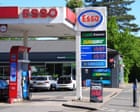
GDP reading ties in with some surveys suggesting UK plc has kept up momentum despite rising fuel costs
Tom KnowlesThu 14 May 2026 02.34 EDTFirst published on Thu 14 May 2026 02.02 EDTSharePrefer the Guardian on GoogleThe UK economy unexpectedly grew during the first full month of the Iran war, according to official figures, suggesting the Middle East conflict has not yet affected growth as much as feared.
Figures from the Office for National Statistics (ONS) showed growth of 0.3% in gross domestic product (GDP) in March, from a revised 0.4% rise in February and 0% growth in January. The ONS had originally estimated that the economy grew 0.5% in February and 0.1% in January.
The figure for March was significantly better than economists’ expectations, which had forecast GDP would shrink by 0.2%.
Over the first three months of 2026, GDP rose 0.6%, up sharply from growth of 0.1% in the final three months of last year. It also grew by 1% compared with the same quarter in 2025.
The ONS said that growth in the first quarter was “led by broad-based increases across the services sector”. It added that the computer programming and advertising industries “performed particularly well”, while construction returned to growth.
However, there was a 2.2% drop in sports activities, amusement and recreation activities, suggesting consumers are cutting back on discretionary spending over fears of coming higher inflation.
The March figure is one of the first official signs that the Iran war – which broke out on the final day of February – is not affecting activity for businesses and consumers as badly as expected, despite soaring oil and gas prices due to the closure of the strait of Hormuz.
Rachel Reeves, the chancellor, said the figures “show the government has the right economic plan”. She said: “The choices I have made as chancellor mean our economy is in a stronger position as we deal with the costs of the war in Iran.”
Reeves also hinted at the in-fighting happening within the Labour party as Keir Starmer fights to hang on to his job. She added: “Now is not the time to put our economic stability at risk. To do so would leave families and business worse off. Instead, this government is getting on with the job of building an economy that is stronger, more resilient, and prepared for the future.”
The GDP reading ties in with some business surveys that suggest the economy has managed to maintain momentum despite the Middle East conflict.
The closely watched purchasing managers index (PMI) for the UK showed business activity rising in April due to upturns in manufacturing production and output from the services sector. Retail sales also rose in March, even when excluding the increased cost of fuel, according to the ONS.
However, the Bank of England warned last month that the UK may also need to brace for higher interest rates in the coming months as “higher inflation is unavoidable” because of the war in the Middle East. Inflation rose to 3.3% in March from 3% in February, after the Iran war triggered the biggest jump in fuel prices for more than three years.
Researchers at the Bank added that the energy supply shock “could weigh on GDP growth” if income growth slows, business investment falls and supply chains become disrupted.
Economists were pessimistic about the growth continuing into the second quarter. Yael Selfin, the chief economist at KPMG, said: “The adverse effect of the war in Iran on the economy is likely to show in the second quarter. We expect growth to slow, as higher costs and softer demand continue to weigh on activity.”
The GDP figure adds to the uncertain picture being presented by business and consumer surveys, according to Fergus Jimenez-England, associate economist at the National Institute of Economic and Social Research.
He said: “As businesses adjust to this latest energy shock, leading indicators are sending mixed signals. Input price inflation has picked up sharply and job vacancies continue to fall, pointing to softer demand conditions ahead.
“At the same time, retail sales and PMIs have held up, although some of this strength may reflect firms and households bringing forward spending in anticipation of further price rises.”
Explore more on these topicsShareReuse this contentUK economy showed surprise 0.5% growth before Iran war
16 Apr 2026UK borrowing costs fall and pound rises after Starmer says he will stay as PM
6d agoIMF chief Georgieva warns ‘everyone will feel the impact’ of energy price shock, as UK growth beats forecasts – as it happened
16 Apr 2026UK food prices on track to rise by 50% since start of cost of living crisis
4 May 2026Bleak economic data shows UK plc in trouble well before Middle East crisis
13 Mar 2026UK firms in ‘critical financial stress’ jump by a third as costs rise, report finds
29 Apr 2026Retail sales rise in Great Britain after Iran war prompted ‘panic at the pumps’
24 Apr 2026UK economy unexpectedly flatlined in January, official figures show
13 Mar 2026UK economy limps along at 0.1% growth – but there are reasons for optimism in 2026
12 Feb 2026UK braces for price rises driven by Iran war as economic confidence plummets
23 Apr 2026