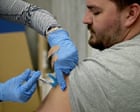
A group of insurers will continue covering routine vaccines through 2027 as the Trump administration once again takes aim at the shots and outbreaks of preventable illnesses such as measles and whooping cough lead to hospitalizations and deaths.
Experts told the Guardian that the move has raised questions ahead of the November midterms, but certainly indicates that insurance companies believe vaccines are “safe and effective”.
AHIP, the national trade organization representing the insurance industry in the US, announced at the end of May that its members will continue covering routine vaccines through 2027, an extension of a similar policy for 2026, after a halt to the controversial decisions made by the Advisory Committee on Immunization Practices (Acip).
The decision is a “powerful” example of how insurance companies, which have detailed data on health outcomes after vaccination and vaccine-preventable illnesses alike, “are clearly choosing to cover vaccines because they know that they are safe and effective,” said Elizabeth Jacobs, an epidemiology professor at the University of Arizona and a founding member of the grassroots organization Defend Public Health.
“They understand that there is a benefit there to people being vaccinated, especially kids, and I’m sure they’ve run the numbers and they know that it will cost them a heck of a lot more to treat kids with measles who are hospitalized than it is to pay for vaccines,” Jacobs added.
There have been nearly 2,000 confirmed cases of measles so far this year, and last year had record-high rates of whooping cough as vaccinations declined.
Donald Trump signed an executive order on exploring changes to the childhood immunization schedule, claiming that “the United States currently recommends more childhood vaccines than any peer nation,” though experts say the US is on par with other similar nations.
The order follows a presidential memo in December also aimed at reconsidering the vaccine recommendations, and it comes after a lawsuit from the American Academy of Pediatrics (AAP) led to a pause on ACIP’s changes to the vaccine schedule. The vaccines committee itself was put on hold because of the judge’s concerns about the selection process, overseen by Robert F Kennedy, health secretary and a longtime vaccine critic.
The executive order “may signal that the administration is planning to convene the committee soon, whether through new appointments or by relying on ex officio members,” said Richard Hughes, one of the lawyers representing the AAP in the lawsuit. “Otherwise, the committee cannot meet.”
While the order has limited legal effects, “it may be intended to put additional White House weight behind future agency action,” Hughes said. But any changes like those made in early January to slash recommendations by a third would violate the judge’s order halting changes, he said.
Trump’s own pollsters have shown that vaccine restrictions are unpopular among voters, and they’ve cautioned the White House that anti-vaccine rhetoric is “politically risky” ahead of the midterm elections.
“Politically, I am surprised the White House chose to go in this direction ahead of the midterms,” Hughes said. “It raises questions about how this played out internally and whether RFK Jr was able to get this past Susie Wiles and directly to the president.”
The US health and human services department did not respond by press time to questions about this process.
“It still remains deeply problematic that representatives of the US government continue to undermine vaccines,” Jacobs said. “It just continues this confusion and causes absolutely unnecessary fear among parents … I feel like everything could just drop from under our feet at any time with RFK Jr in charge, so it’s a really difficult situation.”
The insurers’ decision to continue backing vaccines sends an “important message” about the safety and effectiveness of the shots, she added.